Once a tooth is out, most people leave the dental chair with two questions: what can I eat, and how do I make sure this heals properly? Knowing what to eat after tooth extraction, and what to avoid, makes a real difference to comfort and healing in the first week. The good news is that the steps are simple, and most people are back to normal eating within a week or two.
This guide walks you through recovery day by day, from the first hour to the following weeks. It explains what is happening inside the socket at each stage, so the advice makes sense rather than feeling like a list of rules. Always follow any specific instructions your own dentist gives you, since they know exactly what was done in your mouth.
What Happens Inside the Socket as It Heals
Healing starts the moment the tooth comes out. The empty socket fills with blood, which forms a clot. That clot is not just a plug to stop bleeding; it is the scaffold that new tissue grows into.¹
Over the next two to three days, the body sends in cells that clean the area and fight bacteria, which is why mild swelling and soreness peak around this time. During the first few weeks, the clot is gradually replaced by soft new tissue, and from about the second week new bone begins to form underneath. Most sockets are filled with new bone by around three months, although the gum on top closes over much sooner.¹
Almost every piece of aftercare advice comes back to one goal: protect the clot, especially in the first 72 hours. Suction, heat, smoking, hard food and vigorous rinsing can all dislodge it or slow healing.
The First 24 Hours: Protect the Clot
What to Do
- Keep firm pressure on the gauze your dentist placed, usually for 30 to 45 minutes. If light bleeding starts again, fold a clean piece of gauze, place it over the socket and bite firmly for another 30 minutes.
- Rest. Avoid exercise, heavy lifting or bending for the rest of the day, since raised blood pressure can restart bleeding.
- Keep your head raised with an extra pillow on the first night.
- Use a cold pack wrapped in a cloth on the outside of your cheek, on and off in short spells, during the first day. Many people find this soothing, although research suggests its effect on swelling is modest.
- Take pain relief before the numbness wears off, as your dentist advised.

What Not to Do
- Do not rinse, spit forcefully or swish liquid around your mouth on the first day.
- Do not drink through a straw. The suction can pull the clot out.
- Do not smoke or vape (more on this below).
- Do not drink alcohol, especially if you are taking painkillers.
- Do not poke the socket with your tongue, a finger or a toothpick.
What to Eat on Day One
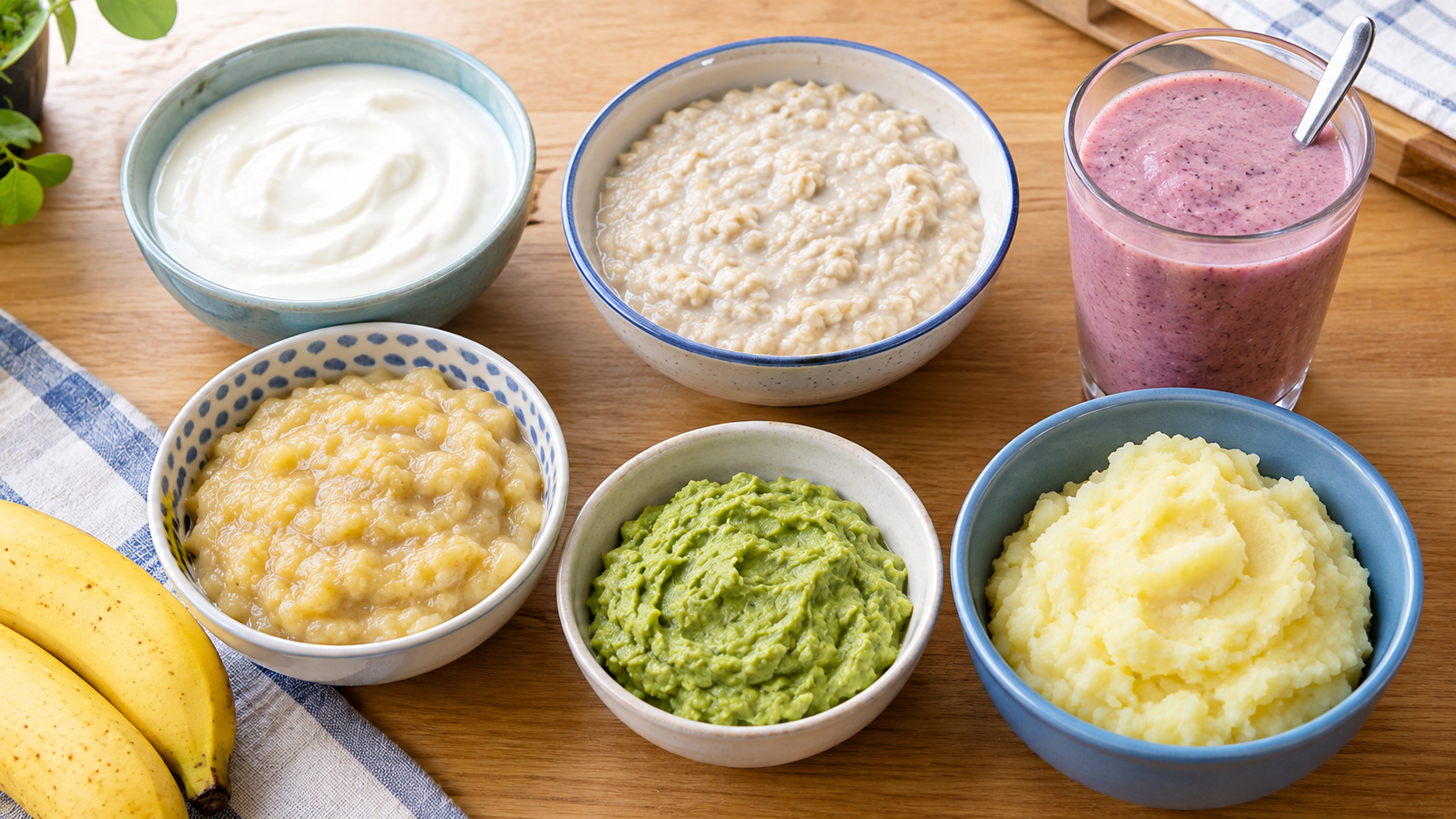
Wait until the numbness has worn off before eating, so you do not bite your cheek, lip or tongue. Then stick to cool or lukewarm, soft foods that need little or no chewing:
- Yoghurt or mala
- Smooth uji, allowed to cool to lukewarm
- Mashed potatoes, mashed ripe bananas or mashed avocado
- Blended soups served lukewarm, not hot
- Smoothies eaten with a spoon, not a straw
- Ice cream or custard in moderation
Avoid hot drinks for the first day. Hot tea or coffee can encourage bleeding and loosen the clot, so if you cannot do without your chai, let it cool until it is just warm. Drink plenty of water from a glass to stay hydrated.
Days 2 and 3: Managing Pain and Swelling
Swelling and stiffness usually peak around the second or third day, then start to settle. This is normal and part of the healing response, not a sign that something has gone wrong.
Pain Relief That Works
Many people assume stronger prescription painkillers work best after a tooth extraction. The research suggests otherwise. A large 2023 network meta-analysis of pain relief after dental extraction found that combining ibuprofen with paracetamol gave the greatest pain relief, and anti-inflammatory painkillers generally performed better than opioids. Several opioid medicines performed no better than a placebo.²
Ask your dentist or pharmacist which painkiller suits you before taking anything. Anti-inflammatory painkillers are not suitable for everyone, including some people with stomach ulcers, kidney problems, asthma, or those on blood thinners. If you take a blood thinner, our guide on tooth extraction on blood thinners, diabetes or bone medication explains what to discuss with your dentist.
Do You Need Antibiotics?
Many people expect antibiotics after an extraction and worry when they are not prescribed. A 2021 Cochrane review of 23 trials found that, in healthy people having wisdom teeth removed, about 19 people would need to take antibiotics to prevent one infection. Because of this, and the growing problem of antibiotic resistance, the authors advise against giving them routinely.³ Your dentist will prescribe them when your health or the type of extraction makes infection more likely. If you are given a course, finish it as directed.
Start Gentle Salt Water Rinses
From the second day, you can begin gentle rinses. Dissolve half a teaspoon of salt in a cup of warm (not hot) water. Let it sit in your mouth and tilt your head gently from side to side, then let it fall out into the sink rather than spitting. Repeat after meals and before bed.
A 2021 systematic review of eight randomised trials found that warm salt water rinses performed about as well as antiseptic mouthwashes in preventing dry socket, though the authors noted that the studies had limitations.⁴ If your dentist has given you a chlorhexidine mouthwash, use it as directed. A 2022 Cochrane review found that chlorhexidine rinses used around the time of extraction reduce the chance of dry socket, with only minor side effects such as temporary tooth staining or a change in taste.⁵
What to Eat on Days 2 and 3
You can now add a little more variety, as long as it is soft and not too hot:
- Scrambled eggs
- Soft-cooked rice or well-cooked pasta
- Mashed ndengu, beans or mukimo
- Flaked, boneless fish
- Soft, well-cooked vegetables
- Oats or porridge
Chew on the opposite side to the extraction, and take small mouthfuls.
Days 4 to 7: Getting Back to Normal
By the end of the first week, most people notice that pain and swelling have eased considerably. The socket will still look like a hole, often with a white or yellowish layer over it. This is healing tissue, not pus, and it is a good sign.
Eating
Gradually move back to your normal diet, starting with foods that are soft but need some chewing, such as soft chapati without the crispy edges, well-cooked stews and soft fruit. Keep avoiding foods that can break up or lodge in the socket:
- Nuts, seeds and popcorn
- Roasted maize and crisps
- Crusty bread and hard biscuits
- Very spicy or acidic foods, which can sting
- Very chewy meat such as nyama choma, until the area feels comfortable
Oral Hygiene
Brush your other teeth normally from the day after your extraction, but brush gently near the socket and avoid scrubbing the area itself. Keep up the salt water rinses after meals until the socket has closed over. If you had stitches, they will either dissolve on their own or be removed at a review visit, usually after about a week.
Smoking: Why Waiting Matters
If you smoke, the first week is the most important time to stop. A 2022 systematic review of 11 studies covering more than 10,000 patients found that dry socket affected about 13.2% of smokers compared with 3.8% of non-smokers. Smoking on the day of the extraction itself carried a higher risk than smoking from the second day onwards.⁶
Both the suction of drawing on a cigarette and the chemicals in tobacco smoke interfere with the clot and with blood supply to the socket. If you cannot stop completely, delay for as long as possible, ideally at least 72 hours, and avoid vaping and shisha as well.
Weeks 2 to 4 and Beyond
By the second week, most people are eating normally and the gum over the socket is closing. You may still feel a small dip in the gum where the tooth was, and food can catch there, so keep rinsing gently after meals.
Underneath, healing carries on quietly for months as soft tissue is replaced by new bone.¹ The jawbone also naturally shrinks a little where a tooth has been removed. If you plan to replace the tooth with an implant, ask your dentist whether bone grafting and socket preservation would help keep the site ready.
Recovery after a surgical extraction, such as an impacted wisdom tooth, often takes a few days longer than after a simple extraction. You can read more about the differences in our guides to tooth extraction in Nairobi CBD: simple vs surgical and wisdom tooth removal in Nairobi CBD.
Warning Signs: When to Call Your Dentist
Most extractions heal without any problems. Contact your dentist if you notice:
- Pain that gets worse after day 3, especially a throbbing pain that spreads towards your ear. This is the classic sign of dry socket, which our guide on dry socket after tooth extraction explains in detail.
- Bleeding that will not stop after 30 minutes of firm pressure on clean gauze.
- Swelling that increases after day 3, rather than settling.
- Fever, pus or a bad taste that does not go away with rinsing.
- Numbness of the lip, chin or tongue that lasts more than a day.
If you have difficulty breathing or swallowing, or swelling spreading to your eye or neck, go to the nearest emergency department straight away.
Your Day-by-Day Recovery Checklist
| Time | Focus | Eat | Avoid |
|---|---|---|---|
| First 24 hours | Protect the clot, rest, gauze pressure | Cool, soft foods: yoghurt, lukewarm uji, mashed banana | Rinsing, straws, smoking, alcohol, hot drinks |
| Days 2 to 3 | Pain relief, gentle salt water rinses | Scrambled eggs, soft rice, mashed beans, oats | Chewing on the extraction side, spicy food |
| Days 4 to 7 | Return to normal routine | Soft chapati, stews, soft fruit | Nuts, seeds, roasted maize, crisps |
| Week 2 onwards | Keep the area clean as the gum closes | Normal diet, as comfortable | Food caught in the socket (rinse after meals) |
Recovering Well After Your Extraction
Knowing what to eat after tooth extraction and how to look after the socket in the first few days is the best way to stay comfortable and avoid complications. Protect the clot, eat soft foods, avoid smoking and straws, and let your dentist know early if anything does not feel right. At DentMind CBD Dental Centre on Kimathi Street, we give every patient clear written aftercare instructions and are happy to see you again if healing is not going to plan, so if you need a tooth assessed or removed, book your appointment online or message us on WhatsApp and we will guide you through every step of your recovery.
References
¹ Udeabor, S. E., Heselich, A., Al-Maawi, S., Alqahtani, A. F., Sader, R., & Ghanaati, S. (2023). Current knowledge on the healing of the extraction socket: A narrative review. Bioengineering, 10(10), 1145. https://doi.org/10.3390/bioengineering10101145
² Miroshnychenko, A., Ibrahim, S., Azab, M., Roldan, Y., Martinez, J. P. D., Tamilselvan, D., He, L., Little, J. W., Urquhart, O., Tampi, M., Polk, D. E., Moore, P. A., Hersh, E. V., Claytor, B., Carrasco-Labra, A., & Brignardello-Petersen, R. (2023). Acute postoperative pain due to dental extraction in the adult population: A systematic review and network meta-analysis. Journal of Dental Research, 102(4), 391–401. https://doi.org/10.1177/00220345221139230
³ Lodi, G., Azzi, L., Varoni, E. M., Pentenero, M., Del Fabbro, M., Carrassi, A., Sardella, A., & Manfredi, M. (2021). Antibiotics to prevent complications following tooth extractions. Cochrane Database of Systematic Reviews, 2021(2), CD003811. https://doi.org/10.1002/14651858.CD003811.pub3
⁴ Adekunle, A. A., Egbunah, U. P., Erinoso, O. A., & Adeyemo, W. L. (2021). Effectiveness of warm saline mouth bath in preventing alveolar osteitis: A systematic review and meta-analysis. Journal of Cranio-Maxillofacial Surgery, 49(10), 980–988. https://doi.org/10.1016/j.jcms.2021.09.001
⁵ Daly, B. J. M., Sharif, M. O., Jones, K., Worthington, H. V., & Beattie, A. (2022). Local interventions for the management of alveolar osteitis (dry socket). Cochrane Database of Systematic Reviews, 2022(9), CD006968. https://doi.org/10.1002/14651858.CD006968.pub3
⁶ Kuśnierek, W., Brzezińska, K., Nijakowski, K., & Surdacka, A. (2022). Smoking as a risk factor for dry socket: A systematic review. Dentistry Journal, 10(7), 121. https://doi.org/10.3390/dj10070121