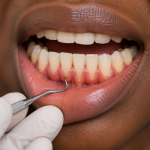
Almost everyone has worried about bad breath at some point, yet very few people understand what actually causes it. The medical term is halitosis, also called oral malodour, and it is far more common than most of us admit. So rather than reaching for another mint, it helps to know what is really happening inside the mouth.
This guide walks through the science in plain language. We look at the chemistry behind the smell, where the responsible bacteria live, the difference between mouth-based and body-based causes, how dentists actually measure the problem, and which remedies are backed by evidence rather than marketing.
What Bad Breath Really Is
Bad breath is an unpleasant odour that leaves the mouth during breathing or speaking. It can affect anyone, at any age, regardless of social status.¹ Studies put the global figure somewhere between 15 and 60 percent of people, with the wide range reflecting how differently researchers measure it.³
Clinicians sort the problem into three groups. Genuine halitosis is a real, measurable odour. Pseudo-halitosis is when a person believes they have a problem even though others cannot detect it. Halitophobia is when that belief continues even after successful treatment.² This guide focuses on genuine halitosis, because that is the type with a clear biological cause and a clear path to treatment.
The condition matters more than people realise. Halitosis is the third most common reason patients visit the dentist, after tooth decay and gum disease, and it carries a real social and psychological weight.¹ Many sufferers feel embarrassed, avoid close conversation, or quietly lose confidence, so treating the cause is about wellbeing as much as health.
One reassuring point: the most familiar form, so-called morning breath, is usually harmless. During sleep, saliva flow slows down, which lets odour-producing bacteria build up overnight. It normally clears after brushing and breakfast.
The Chemistry of Bad Breath: Volatile Sulphur Compounds
Here is the heart of the science. The smell of bad breath comes mainly from a group of gases called volatile sulphur compounds, usually shortened to VSCs.¹ These gases are highly volatile and have a very low odour threshold, which is exactly why even small amounts are easy to notice.
Three VSCs do most of the damage. Hydrogen sulphide carries the classic rotten-egg smell. Methyl mercaptan is sharper and more offensive, often described as rotting cabbage, and it is the compound most closely tied to gum problems. Dimethyl sulphide tends to point towards causes outside the mouth.¹
So where do these gases come from? Anaerobic bacteria, meaning bacteria that thrive without oxygen, break down proteins in the mouth. Their raw material includes food debris, dead cells shed from the lining of the mouth, traces of blood, and proteins in saliva. As these proteins are broken down, sulphur-containing building blocks such as cysteine and methionine are released, and the bacteria convert them into the foul-smelling VSCs.³ In short, halitosis is largely the by-product of bacteria digesting protein.

Where the Bacteria Live
If VSCs are the smell, bacteria are the source, so the obvious question is where they gather. The single biggest reservoir is the back of the tongue. The rough surface of the tongue dorsum, with its tiny grooves and crypts, traps debris and shelters bacteria from oxygen and saliva. This is why a visibly coated tongue so often goes hand in hand with halitosis.⁴
The other major hideout is the gum line, especially the pockets that form between the gum and the tooth when gum disease sets in. These pockets are low in oxygen, which is perfect for the anaerobic species that produce VSCs.
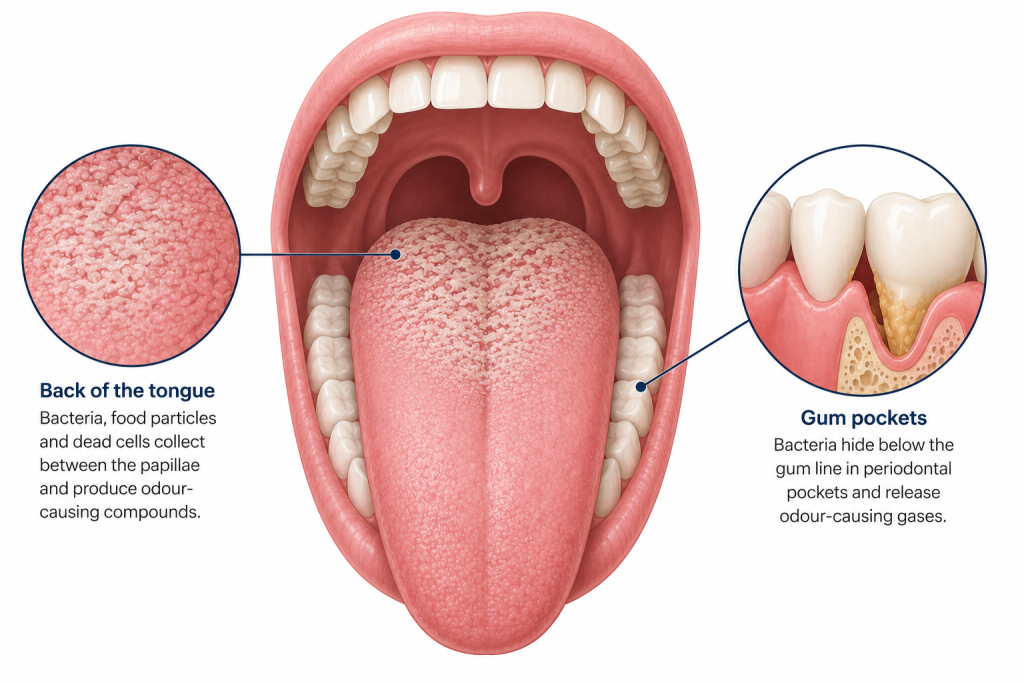
Several gram-negative bacteria are repeat offenders. Porphyromonas gingivalis, Treponema denticola and Tannerella forsythia are strongly linked to both gum disease and raised VSC levels, and deeper gum pockets tend to produce higher readings.¹ Others, including Fusobacterium, Prevotella and Solobacterium species, also contribute.³ Because the tongue is such a key player, it is no surprise that people who rarely clean their tongue report far more oral malodour than those who do.⁸
Oral Causes Versus Systemic Causes
A common myth is that bad breath comes from the stomach. The evidence says otherwise. Between 80 and 90 percent of cases start inside the mouth, with a coated tongue, gum disease and poor oral hygiene leading the list.⁶ So for most people, the answer lies in the mouth, not deeper in the body.
Within that oral majority, the usual triggers are tongue coating, gum disease, untreated cavities, dry mouth, food trapped between teeth, and dentures that are not cleaned properly.² Dry mouth deserves special mention. Saliva constantly washes the mouth and keeps bacteria in check, so anything that reduces it, including mouth breathing, certain medicines and dehydration, tends to make the odour worse. Food trapped between the teeth is another quiet contributor, because it slowly putrefies and feeds the same bacteria.
The remaining 10 to 20 percent of cases come from outside the mouth. Ear, nose and throat conditions such as chronic sinusitis and tonsil stones are frequent culprits, since the deep crypts of the tonsils can trap debris that bacteria break down. Less often, the cause is systemic. For example, poorly controlled diabetes can produce a fruity, acetone-like odour, advanced liver disease and kidney failure can create distinctive ammonia-like or fishy smells, and strong-smelling foods such as garlic and onion are absorbed into the bloodstream and breathed out through the lungs for several hours.² Although these systemic causes are real, they are the exception rather than the rule, which is why a dentist is usually the right first port of call.
How Dentists Measure Bad Breath
Because much of the problem is invisible, dentists rely on specific assessment methods rather than guesswork. The long-standing gold standard is the organoleptic test, where a trained clinician carefully assesses the exhaled air and scores the intensity on a scale from 0 to 5.¹ It is simple and inexpensive, although it does depend on the examiner’s own sense of smell.
Measuring matters because it separates genuine halitosis from pseudo-halitosis and halitophobia, and it stops people from treating a problem that is not really there. An objective reading also helps track whether treatment is working over time, rather than relying on a worried guess.
For objective numbers, clinics turn to instruments. A portable sulphide monitor, often known by the brand name Halimeter, measures total VSCs in parts per billion and is most sensitive to hydrogen sulphide.¹ A more advanced device, the OralChroma, can separate and measure the three main VSCs individually in under ten minutes, which makes it useful for pinpointing the cause.¹
Gas chromatography is the most precise option and is mainly used in research, because it is accurate but bulky, costly and slow.¹ There are also chairside bacterial tests, such as the BANA test, which detect the enzymes produced by the specific bacteria tied to gum disease and oral malodour. Taken together, these tools let a dentist confirm whether the odour is genuine and trace it to its source.
What Actually Works, and What Does Not
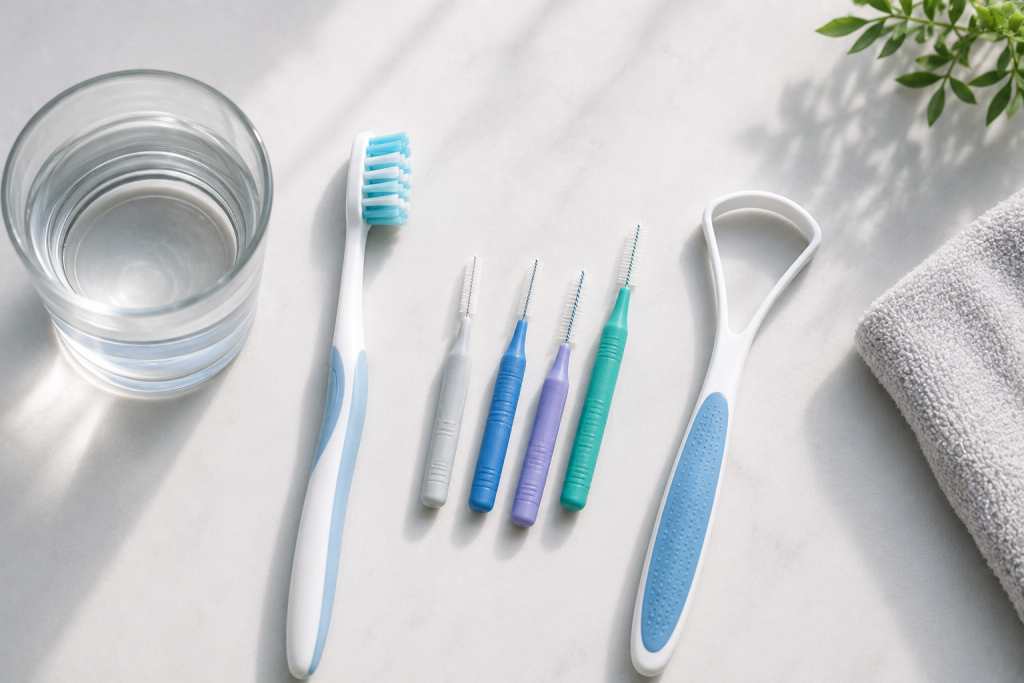
Now to the practical part. The most effective approach targets the cause rather than masking the smell. Mechanical cleaning comes first. Brushing twice a day, cleaning between the teeth daily, and gently cleaning the tongue all reduce the bacterial load and the debris they feed on.
Tongue cleaning is worth singling out. In one large 2024 study, people who did not clean their tongue were over four times more likely to report bad breath than those who did.⁸ A tongue scraper or a tongue brush is a small, cheap tool with a real effect.
Antibacterial mouthrinses can help as a supplement, not a substitute. A Cochrane review found that rinses containing antibacterial agents such as chlorhexidine and cetylpyridinium chloride, along with odour-neutralising agents such as zinc and chlorine dioxide, can reduce bad breath.⁹ However, that review was later withdrawn pending an update, so treat mouthwash as useful support while the underlying cause is dealt with, not as a cure on its own.
Staying well hydrated also matters, since saliva is the mouth’s natural cleanser. Lifestyle plays a part too. Smoking and heavy alcohol use both dry the mouth and leave odour-causing residues, and in one 2024 study alcohol consumers were over seven times more likely to report the problem.⁸ Cutting back on both, and keeping to a balanced diet, supports fresher breath.
Where gum disease is present, professional treatment is the real fix. Scaling and root planing reduce the bacteria living in gum pockets, which is often where stubborn odour is coming from. Regular professional cleaning and check-ups then keep that bacterial load down over time.
So which popular fixes fall short? Mints and chewing gum only mask the odour for a short while. Strong alcohol-based mouthwashes can dry the mouth and sometimes make matters worse. And the belief that bad breath must come from the stomach sends many people looking in the wrong place. In short, fresheners buy minutes, but cleaning and treatment solve the problem.
The Gum Disease Connection
This is the most important link to understand, and it is the reason persistent bad breath should never be ignored. Gum disease and halitosis are tightly connected through the very same bacteria and VSCs discussed above. As gum pockets deepen and the gums bleed, the low-oxygen environment lets odour-producing bacteria flourish, and VSC levels tend to rise alongside pocket depth and gingival bleeding.¹ In one 2023 clinical study, the presence of periodontal disease increased the probability of halitosis by about 3.6 times, and hydrogen sulphide tracked closely with gum inflammation.⁵ A 2024 systematic review and meta-analysis reached the same broad conclusion, confirming a clear association between halitosis and periodontitis.⁷
That connection is especially relevant here in Kenya. According to the Kenya Ministry of Health, the national survey found that 98.1 percent of Kenyan adults have some form of gum disease, much of it undiagnosed. Because gum disease is so widespread and often painless in its early stages, ongoing bad breath may be one of the first warning signs that something needs attention.
So if mints, brushing and mouthwash are not solving the problem, the smell is likely telling you to look deeper. The good news is that this is exactly what a dental check-up is for. At DentMind CBD Dental Centre on Kimathi Street in Nairobi CBD, a proper assessment can find the source of persistent bad breath, check the health of your gums, and put a clear treatment plan in place, and you can book an appointment online through our recordit.ke booking page or by phone whenever it suits you. (You may also want to read our guide to gum disease and how it is treated and our explainer on SHA dental cover and what it includes.)
Frequently Asked Questions
Does bad breath always come from the mouth? No, but it usually does. Around 80 to 90 percent of cases begin in the mouth, mostly from a coated tongue, gum disease or poor oral hygiene.⁶ A smaller share comes from the sinuses, throat, or in rare cases a systemic condition, which is why a lasting problem is worth a professional check.
Can mouthwash cure bad breath? Mouthwash can help, but it does not cure the cause on its own. Antibacterial and odour-neutralising rinses reduce the smell, yet they work best alongside brushing, cleaning between the teeth, tongue cleaning, and treating any gum disease.⁹
Is bad breath a sign of gum disease? It can be. Gum disease and bad breath share the same bacteria, and research shows periodontal disease markedly raises the likelihood of halitosis.⁵ Since early gum disease is often painless, persistent halitosis is a useful early warning to get your gums assessed.
Why do I have bad breath in the morning? Morning breath is normal. Saliva flow drops during sleep, so bacteria and their odours build up overnight. It usually clears after brushing, cleaning the tongue, and drinking water.
How often should I see a dentist about bad breath? If the smell persists despite good home care, a routine check-up every six months is sensible, and sooner if you also notice bleeding gums, a lingering bad taste, or teeth that feel loose. A dentist can confirm whether genuine halitosis is present, rule out gum disease, and treat the cause rather than just the symptom.
References
- Mathur, A., Mehta, V., Obulareddy, V. T., & Kumar, P. (2024). Narrative review on artificially intelligent olfaction in halitosis. Journal of Oral and Maxillofacial Pathology, 28(2), 275–283. https://doi.org/10.4103/jomfp.jomfp_448_23
- Tungare, S., Zafar, N., & Paranjpe, A. G. (2023). Halitosis. In StatPearls. StatPearls Publishing. https://www.ncbi.nlm.nih.gov/books/NBK534859/
- Hampelska, K., Jaworska, M. M., Babalska, Z. Ł., & Karpiński, T. M. (2020). The role of oral microbiota in intra-oral halitosis. Journal of Clinical Medicine, 9(8), 2484. https://doi.org/10.3390/jcm9082484
- Foo, L. H., Balan, P., Pang, L. M., Laine, M. L., & Seneviratne, C. J. (2021). Role of the oral microbiome, metabolic pathways, and novel diagnostic tools in intra-oral halitosis: A comprehensive update. Critical Reviews in Microbiology, 47(3), 359–375. https://doi.org/10.1080/1040841X.2021.1888867
- Lee, Y. H., Shin, S. I., & Hong, J. Y. (2023). Investigation of volatile sulfur compound level and halitosis in patients with gingivitis and periodontitis. Scientific Reports, 13, 13175. https://doi.org/10.1038/s41598-023-40391-3
- Memon, M. A., Memon, H. A., Muhammad, F. E., Fahad, S., Siddiqui, A., Lee, K. Y., et al. (2023). Aetiology and associations of halitosis: A systematic review. Oral Diseases, 29(4), 1432–1438. https://doi.org/10.1111/odi.14172
- Nini, W., Chen, L., Zhang, J., Wang, L., & Yan, J. (2024). The association between halitosis and periodontitis: A systematic review and meta-analysis. Clinical Oral Investigations, 28(6), 341. https://doi.org/10.1007/s00784-024-05732-0
- Dey, A., Khan, M. A. S., Eva, F. N., Islam, T., & Hawlader, M. D. H. (2024). Self-perceived halitosis and associated factors among university students in Dhaka, Bangladesh. BMC Oral Health, 24, 909. https://doi.org/10.1186/s12903-024-04586-y
- Fedorowicz, Z., Aljufairi, H., Nasser, M., Outhouse, T. L., & Pedrazzi, V. (2008). Mouthrinses for the treatment of halitosis. Cochrane Database of Systematic Reviews, (4), CD006701. https://doi.org/10.1002/14651858.CD006701.pub2 [Note: withdrawn in 2016 pending an update; findings on antibacterial and odour-neutralising rinses still widely cited]